A proper Ubin day does not start at Jewel and it does not start at 11am. It starts at Changi Village, with breakfast you can finish standing up, notes in a pocket that will not go through a pothole, and a decision already made about the bike. Pulau Ubin is still the closest thing Singapore has to a kampong morning, but only if you treat the bumboat as a village van and not as a theme-park ride with a closing time you intend to game.
Residents who do this often have a rhythm. Early boat, village first, Chek Jawa if the tide is kind, lunch back near the jetty, and a crossing home that is boring on purpose.
Changi Point, cash, and the boat that leaves when it leaves
Changi Point Ferry Terminal is at 51 Lorong Bekukong, next to Changi Village, not at the airport. Buses 2, 29, 59 and 109 serve Changi Village Bus Terminal; from there it is a short walk to the jetty. If you are coming from town, the journey is the first half of the day. That is fine. Eat at the hawker centre first. The boat will not wait for a queue that has not formed, and you will not want to discover you are hungry on an island with fewer stalls than your estate food court.
The bumboats are privately run. They usually operate on demand from about 6am to 7pm, and a boat leaves when there are roughly twelve passengers. On a Saturday morning that is minutes. On a wet Tuesday at 2pm you may stand there long enough to regret not bringing a book. The crossing is about ten minutes. The typical fare is $4 per person each way, plus $2 if you take a bicycle across. Operators can leave with fewer than twelve, or outside those hours, at a higher fare by private arrangement. NParks is blunt about this: confirm the price before you board.
Cash is the habit that still works. Do not arrive with a phone at 4% and a bank app that wants 2FA on a jetty with patchy signal. Keep small notes. The return journey is the same logic in reverse, except you are tireder and more likely to agree to a silly fare if you have left it late.
There is no Grab on Ubin. Once you step off, you are on village time, rental bikes, the occasional van, or your own feet.
Bike, walk, or admit you only wanted the village
The first decision after the jetty is how you will move. Most of the island's roads are packed earth and concrete, with shade that comes and goes. Chek Jawa Wetlands sits at the eastern end, about 3 km from the public jetty. NParks calls the walk about 40 minutes and "for the more adventurous", which is a polite way of saying it is a long, often unshaded road in full sun. Add the boardwalk loops and the walk back, and you have used your morning on the access road.
Hire a bike in the village unless you specifically want a slow kampong wander and nothing else. The shops are family-run, clustered near the jetty, and they do not always post a rate you can screenshot. Ask at two or three. Check the brakes and the seat height in the lane, not after the first hill. Mountain-bike shapes are common; the roads are uneven enough that a pretty city bike from home is a mistake. If you brought your own bicycle on the boat, you already paid the extra $2 — just remember you have to get it back on a boat as well.
Walking the village and the nearer quarries is a different day, and a good one. You stay close to drinks, you can duck into a stall when the heat spikes, and you are not watching the clock for a 7 km out-and-back. Wild boar use these roads more confidently than tourists expect. Give them a wide berth, keep food off the handlebars, and do not try to walk around a sounder with children in the middle. Dogs in the village are part of the furniture; the boar are not.
Vans exist for people who want Chek Jawa without the pedalling. Agree the price before you get in. They are useful for older relatives who still want the boardwalk and have no interest in a bicycle saddle.
Chek Jawa is a tide question
Chek Jawa is the reason many Singaporeans still make the crossing: about 100 hectares where sandy beach, rocky shore, seagrass, coral rubble, mangrove and coastal forest meet. It is open 7am to 7pm. The self-guided boardwalk loops — Coastal and Mangrove, roughly a kilometre together — are the usual visit, and Jejawi Tower is 21 metres if you want the canopy. You do not need a permit for the public trails.
The intertidal show, the one people mean when they say "we caught a good tide", needs a low tide of about 0.5 metres or below. Check a tide table the night before, not on the jetty. If the water is sitting high, you still get mangrove, tower and boardwalk. You do not get the exposed flats. That is not a failed day; it is a different one. Guided intertidal walks have been suspended at times for pontoon or track works — check the NParks Ubin page before you promise anyone a tour.
Carry water from the village. There is not a row of drinks fridges at the wetlands. Hats, sunscreen, and shoes you can get wet are more useful than a second camera. The heat on the eastern end has nowhere to hide.
No last-boat panic, and how the rest of the day fits
The unofficial sport of an Ubin afternoon is glancing at the phone and starting to walk faster. You do not need that. Boats commonly run until around 7pm, but "commonly" is not a timetable. Be at the Ubin jetty by 6pm and the rest of the evening is ordinary. If you want a later crossing, arrange it with a boatman on the way over and expect to pay more. If you reach the jetty and there is no boat, NParks publishes a helpline (1800-471-7300) for a reason.
The last boat is not a thriller. It is a bus you chose to miss.
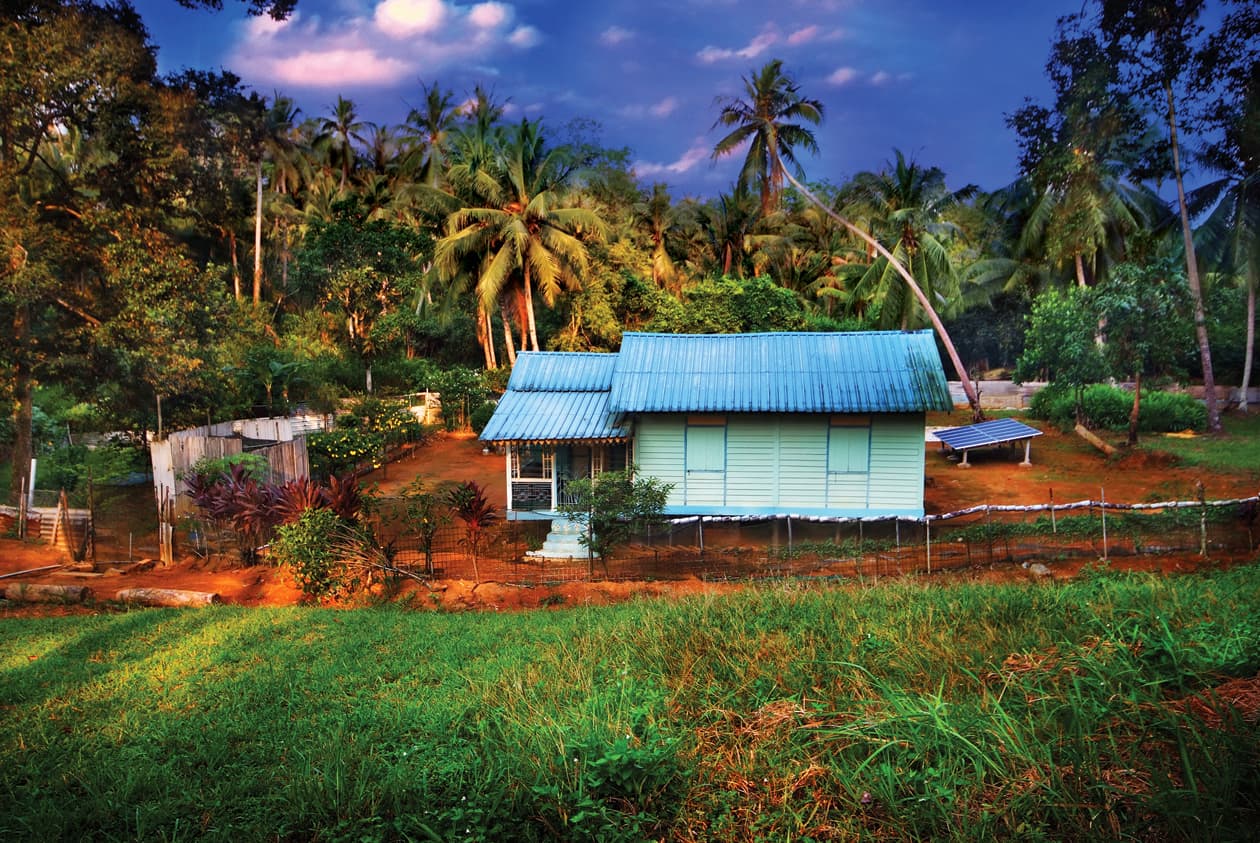
Eat before you obsess about the return. The village has a small cluster of stalls — seafood, drinks, the sort of lunch that tastes better because you have been on a bicycle. Prices are island prices. Cash again. After lunch, a slow walk through the kampong lanes is the part visitors skip and residents remember: zinc roofs, fruit trees, the sense that Singapore had another speed and a few people still live at it.
Pair Ubin with the rest of the east rather than treating it as an isolated stunt. Changi as a destination is the mainland half of the same day: Jewel if the relatives insist, Changi Village hawker if you want the honest version. If the family has already done Sentosa three times and needs a weekend that is not a ticketed island, this is the visiting family answer that still feels like Singapore.
Cyclists who want more tarmac after the bumboat should look at the Park Connector Network on the mainland, not try to turn Ubin into a road-bike loop. The island roads are for upright bikes and attention, not for Strava.
Public holidays and long weekends change the texture. The jetty queue at Changi Point gets long, bike shops run out of the decent frames, and Chek Jawa's boardwalk fills with the same people you see at East Coast. Go earlier, or go on a weekday and accept that the boat may wait for a twelfth passenger. Haze days are a poor trade: you have come for air and horizon, and both will be gone.
Ubin is not a secret. It is a habit. Cash, an early boat, a bike if Chek Jawa is on the list, water, and a 6pm jetty. That is how Singaporeans actually do a kampong day without turning it into a rescue story.