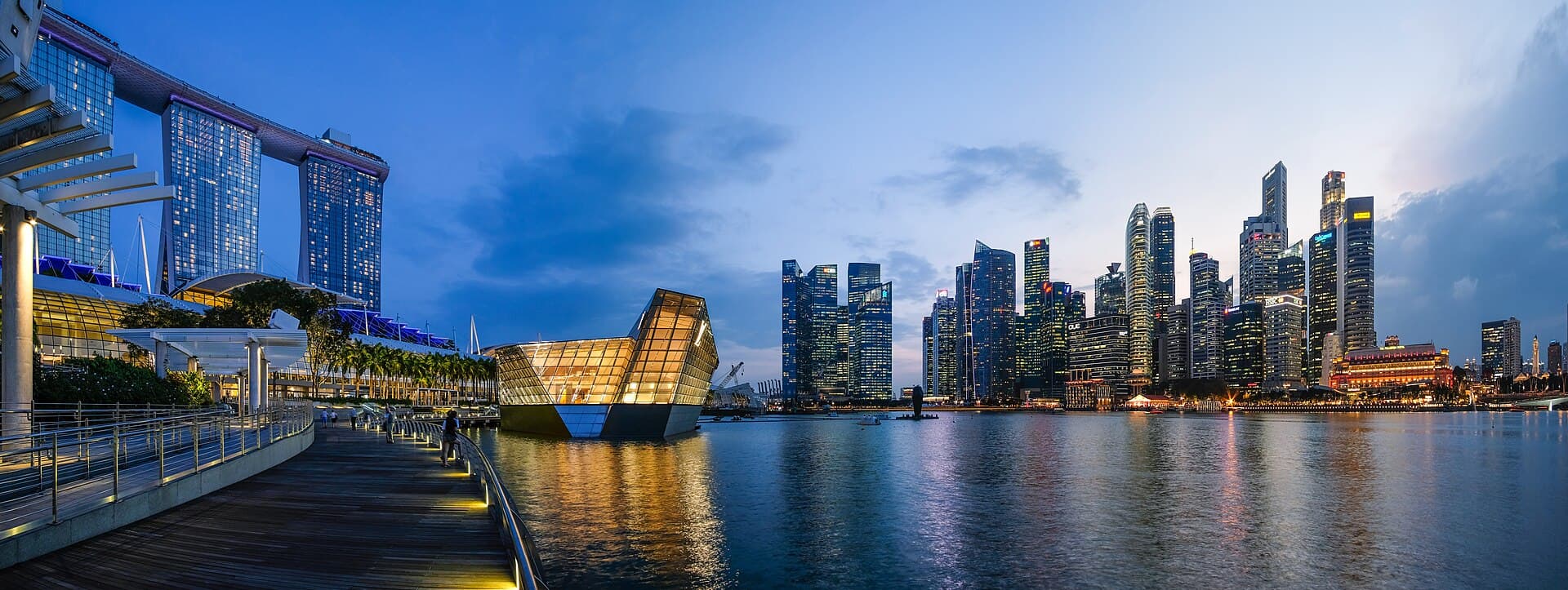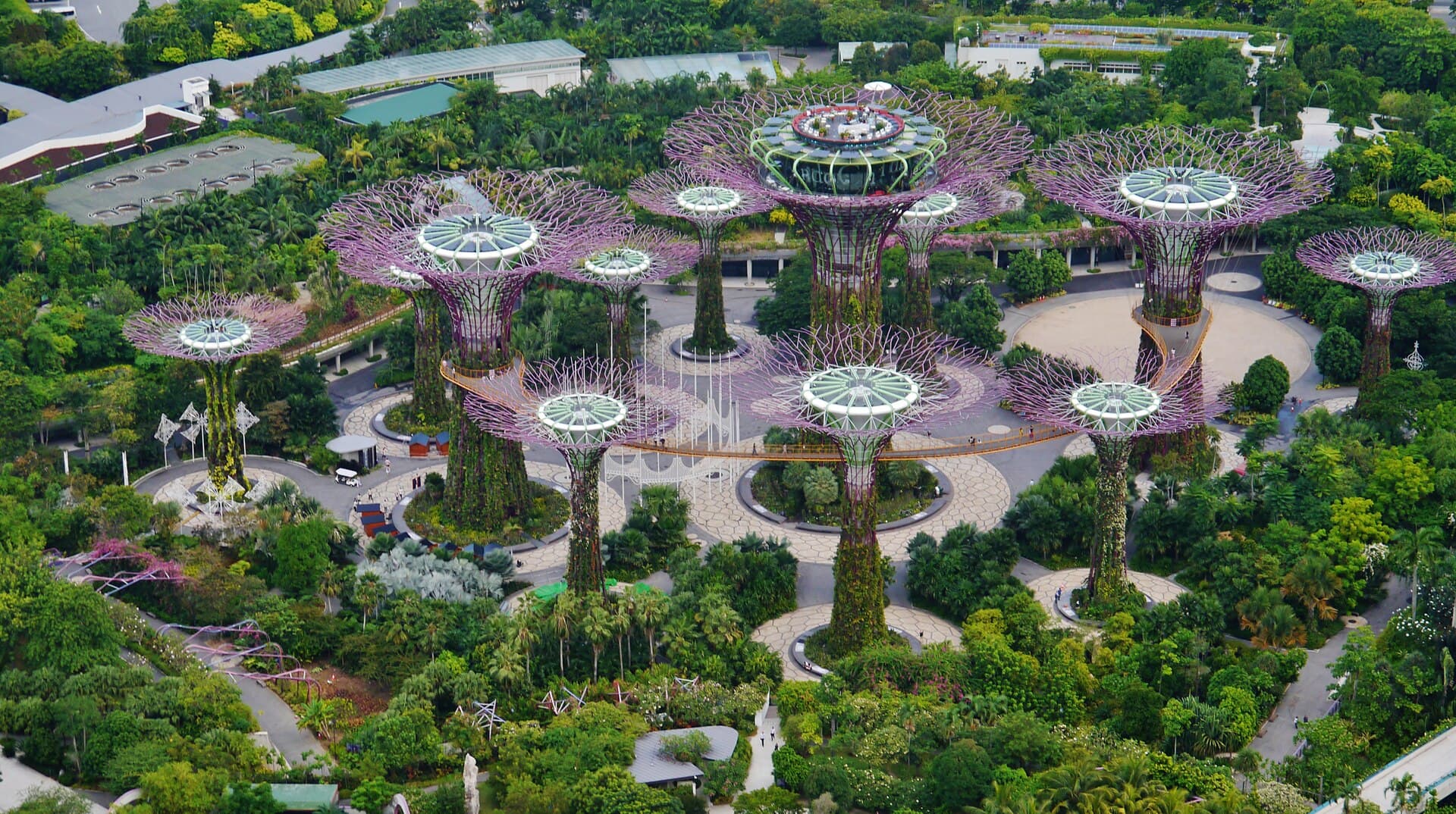
There is a photograph of Gardens by the Bay that appears whenever someone asks what to do this weekend. The Supertrees, the skyline, the implication that the rest of the island is prelude. The outdoor gardens are free, well kept, and a reasonable walk if you live nearby or have guests who want a postcard. They are also the place Singaporeans take people when they have not thought of anywhere else.
That is the boredom. Not the gardens themselves — the gardens are fine — but the way a free weekend collapses into one photogenic lawn. Residents already know the MRT fare to Bayfront. What they forget is that the same fare, pointed north or west, buys a reservoir edge, a town library and a walk through an estate that still has a wet market.
This is a list of things that cost little or nothing if you already live here. It is a reminder that the island's civic furniture was built for you, not for a day ticket.
Free in Singapore usually means you already paid through tax and a resident card. Use the card.
Why Gardens by the Bay became the default
The Bay is easy to explain to a visitor and easy to reach from the city hotels. It photographs well at dusk. The paid conservatories give the outing a climax, which is why people who live in Tampines still buy those tickets for relatives. None of this is a reason to sneer. It is a reason to notice the over-index.
If you want the outdoor gardens, go on a weekday evening or an ordinary Sunday morning, not on a public holiday when the lawns disappear under picnic mats. Do not pair it with Marina Bay Sands unless you enjoy paying for a view you can get from a bus. The rest of this guide assumes you have done the Bay enough times that you can leave it to the guests.
Reservoir parks and the unglamorous green
Reservoir parks are the opposite of a designed attraction. Bedok Reservoir on a Saturday is anglers, runners and people who live upstairs. Lower Seletar has a long, slightly dull path that is perfect if you want to talk. Pandan and the western reservoirs feel further from the brochure. MacRitchie is famous enough to have its own crush; use the edges and the early slot, not the boardwalk at eleven.
These places cost nothing at the gate. They cost water, a hat and the decision to leave the house before the heat sits. Bring your own kopi in a flask if you do not want to queue at the one drinks stall. Toilets exist and are of variable quality; that is part of the texture.
The Botanic Gardens is the polished version of the same idea: free, planted, and used by people who treat it as a park rather than a destination. Go like a regular — a loop, a bench, home — and it stays free in spirit as well as at the till. Go with a packed itinerary and you will start looking at the paid orchid houses as if they were mandatory.
Park connectors stitch a lot of this together. You do not need a full cycling day. A two-kilometre stretch beside a canal in the heartland is a weekend if you let it be. The water is not scenic in the Bay sense. It is the island as it is actually lived.
Libraries and community clubs
A public library on Saturday is one of the last indoor spaces that does not require a purchase. Membership is free for residents. The National Library at Bugis can hold a whole afternoon. Town libraries — Queenstown's old building, Tampines, Jurong Regional — hold the neighbourhood. Students take the desks. Grandparents take the newspapers. You can take a chair.
Community clubs are less fashionable to mention and more useful than their reputation. The People's Association calendar is uneven, and some events are really for members of a specific course. Others are open: movie nights, neighbourhood markets, free or cheap concerts in a courtyard that smells of dinner. Look at your own CC first. The one in the next town is not more authentic. It is just further.
Void decks and precinct pavilions do the rest. Chess, a birthday, a funeral, a grassroots table. You are not required to join. You are allowed to walk through your own estate as if it were a place, which it is. A weekend that costs $2.50 in fares and a plate of noodles is not a failure of imagination.
ActiveSG sport halls are not free, but a casual booking is still cheap compared with a commercial gym. Badminton on a wet Saturday is a resident skill. Pay the fee, play an hour, go home. That is almost free in the only sense that matters: you did not spend the day accumulating bags.
Free concerts, civic lawns, and the things you scroll past
Esplanade's outdoor programmes, library talks, and the occasional orchestra or band on a civic lawn are advertised and then ignored by the same people who say there is nothing on. Not every gig is good. Enough of them are free that a month of weekends can include one without effort. Check the week of, not the month of. Free events in Singapore appear late and fill early.
The Istana open house is not free and the queue is a project. Treat it as a cheap civic outing if you have never been, not as a default holiday plan. National Day rehearsals and the odd school band in a town square are closer to the spirit of this guide: you show up, you stand, you leave.
Museums deserve a line. Citizens and PRs often walk the permanent galleries of the National Gallery, National Museum and similar institutions at no charge or at a token fee. That policy is worth more than another trip to a light show. Confirm before you travel; the rules are not carved on the building.
Heartland walks that cost an MRT fare
Queenstown is the example we keep sending people to, because it has layers — old slabs, a hawker centre, a library, a cemetery ridge — without asking you to pretend you are in a restored heritage village. Walk it as a resident would: market if it is morning, coffee, a loop through the blocks, home before the afternoon storm.
Other towns do the same job if you already live there. A new town with a waterway is still a town. Punggol's promenade is free and, on an ordinary evening, full of neighbours rather than itineraries. The older east-side estates have coffee shops that have not been renovated into a concept. You do not need a new neighbourhood. You need to look at your own on purpose.
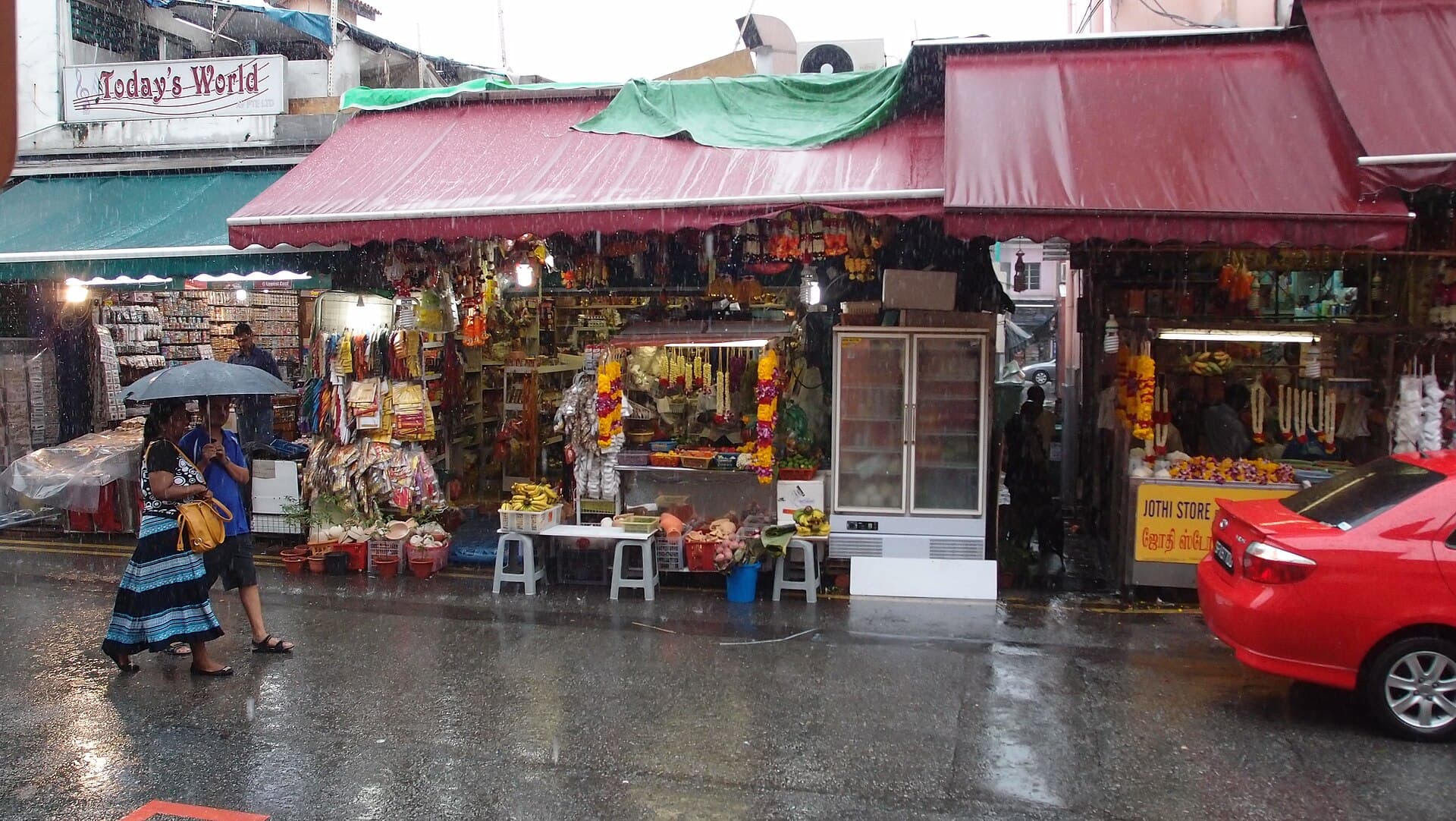
Wet markets in the morning are a walk with a plastic bag at the end. Tekka, Tiong Bahru and Geylang Serai are the named ones; the unnamed one under your block is the one you will actually use. Buy kangkong. That is the souvenir.
When free still needs a plan
A free weekend fails when you leave the house at noon with no water and a vague idea of "the Bay or something". It works when you pick a reservoir or a library and a meal, and you treat the rest as optional. Public holidays scramble the plan: parks fill, some hawkers shut, the waterfront becomes a crowd. Shift to an estate loop or an indoor civic building, or stay home and call that free as well.
Money is not the only cost. Heat, haze and a packed train at four are costs. An almost-free Saturday that leaves you fried is a bad trade. Go early, sit more than you think you should, and spend the saved conservatory tickets on a taxi if the weather turns. The point is not to be the person who never pays. The point is to stop using Gardens by the Bay as a personality.
You can still go to the Bay. Take a guest. Walk the free gardens. Skip the dome if you have already seen the plants. Then, the next weekend, point yourself at a reservoir you have never circled and a library desk that does not care what you earn.