A public holiday in Singapore is not a Sunday with bunting. Offices empty as if someone pulled an alarm. Schools vanish. The civil service and the banks are gone. The island does not rest. It reallocates. Families drive to Malaysia if the causeway allows it. Those who stay pack the parks, the malls and whoever is still frying noodles. The mistake is to treat every red day as the same long weekend.
The pattern depends on whose holiday it is. Chinese New Year is a pause in the Chinese-majority parts of the trade. Hari Raya Puasa and Hari Raya Haji pull Malay families home and shut a different set of stalls. Deepavali does the same along Serangoon Road. National Day is civic and logistical: road closures, fireworks, a country in red and white. Good Friday is quieter and stranger — a Christian holiday that still closes the government and leaves a lot of the heartland half-open.
If you live here you already feel this in the carpark. The useful version is to know what actually closes, what only looks closed, and what will be so full you should have stayed in the void deck.
The lights in a hawker centre mean someone is open. They do not mean your stall is open.
Offices empty, the island does not
On a weekday public holiday the CBD is a film set. The trains are lighter at 8.30am and heavier at 10, when everyone else has decided to go out. Malls open. Many small shops in the estates do not, or they open late with a handwritten sign. Clinics on holiday rotas exist; your usual GP may not. Wet markets are mixed.
Government services are shut. If you needed a document, you needed it last week. Parcel lockers still work. Food delivery thins when the riders go home and the remaining ones surge. A lot of "we are closed for the holiday" messages appear on the same morning people try to order.
This is the day to use the free or almost-free version of the island if you can stand a crowd, or the indoor civic version if you cannot. It is a poor day to discover that the one coffee shop you like is a row of shutters.
Chinese New Year: the long pause
Chinese New Year is the one that still surprises people who grew up here. In the days before, Chinatown is a crush of decorations, snacks and people who will not come back on the first and second days. Those two days empty the Chinese stalls. Some centres look abandoned. The remaining stalls, often Malay or Indian or a stubborn uncle, do a quiet trade.
Estates with a large Chinese population go still in the morning. Reunion dinners the night before have already done the social work. Visiting occupies the afternoon: lifts full of mandarins, children in new clothes, the smell of a kitchen that only exists twice a year. If you are not in that rotation, do not expect your usual zi char. Do expect the park to fill with families who needed to leave the flat.
The eve is the crowd. The holiday morning is the hush. Plan food the day before or know which neighbourhood still cooks. Chinatown on the first day is for the brave and the devout, not for a casual bak kwa run. That train has left.
Hari Raya, Deepavali, and the neighbourhood festivals
Hari Raya Puasa turns Kampong Glam and the Malay heartlands into a visiting circuit. Baju, kuih, open houses. The bazaars happen before, in the nights of Ramadan, and those nights are the packed ones. On the day itself many Malay stalls and some Muslim-owned shops are shut. The rest of the island is open in a slightly distracted way. Hari Raya Haji is smaller in the streets and still a family day; do not count on your usual nasi stall.
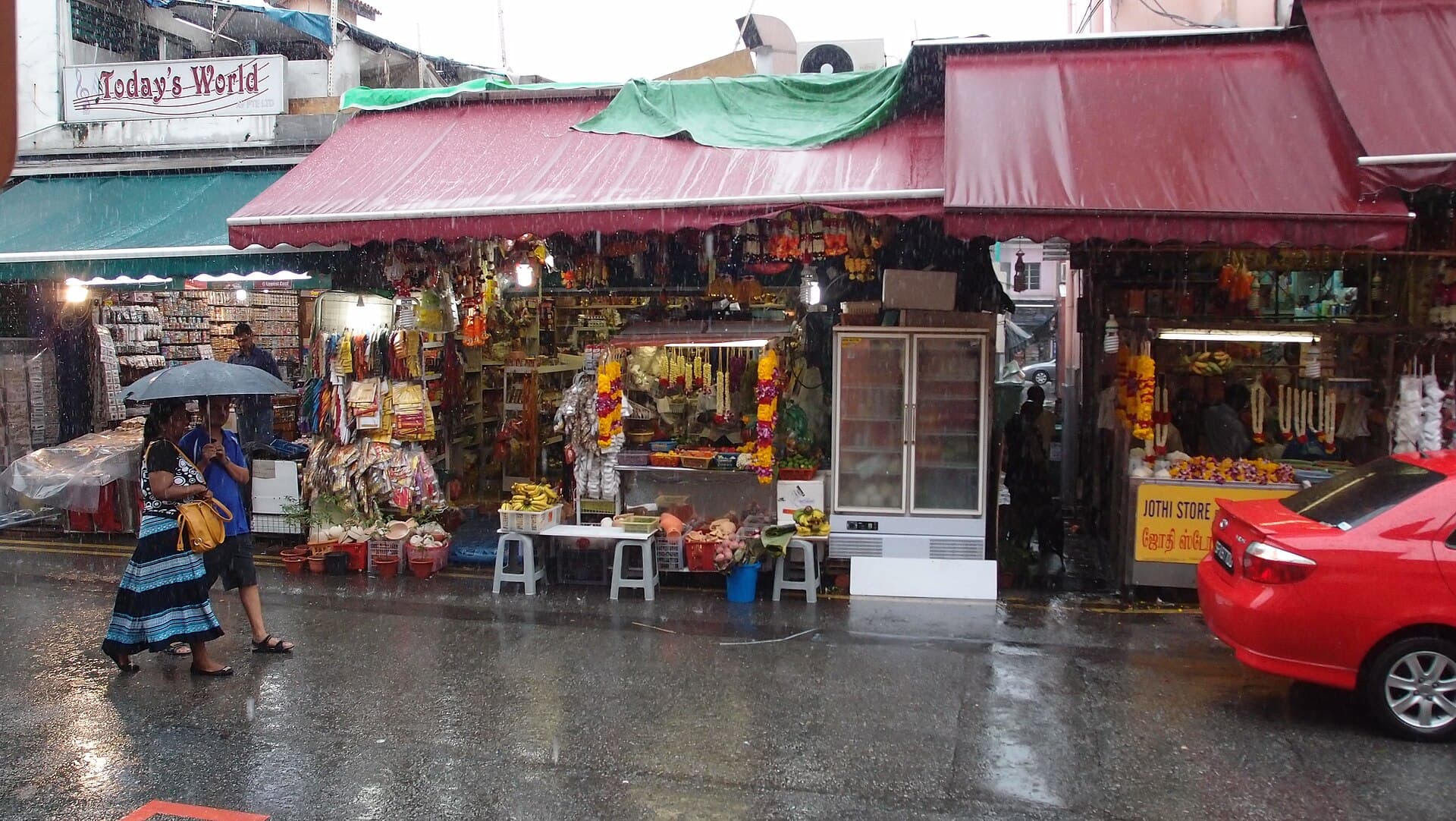
Deepavali loads Little India in the week before: lights, gold, sweets, a crowd that moves at festival speed. The public holiday itself can feel oddly calm on Serangoon Road in the morning, then busy again with visits. Indian stalls rest. If your vegetarian lunch depends on one man at Tekka, check before you travel. The decorations stay up; the trade pauses.
These are not interchangeable neighbourhoods for a holiday stroll. Showing up in Little India on Deepavali morning expecting a street party, or in Kampong Glam on Hari Raya expecting every shop, is how visitors write disappointed notes. Residents know the difference between the eve and the day. Use it.
Vesak is quieter in the shops and busy at the temples. Christmas and New Year's Day behave more like global holidays: malls loud, some restaurants closed, the waterfront a crush at night. Labour Day is a generic public holiday — offices off, parks on — without a single neighbourhood taking the lead.
National Day, Good Friday, and the civic calendar
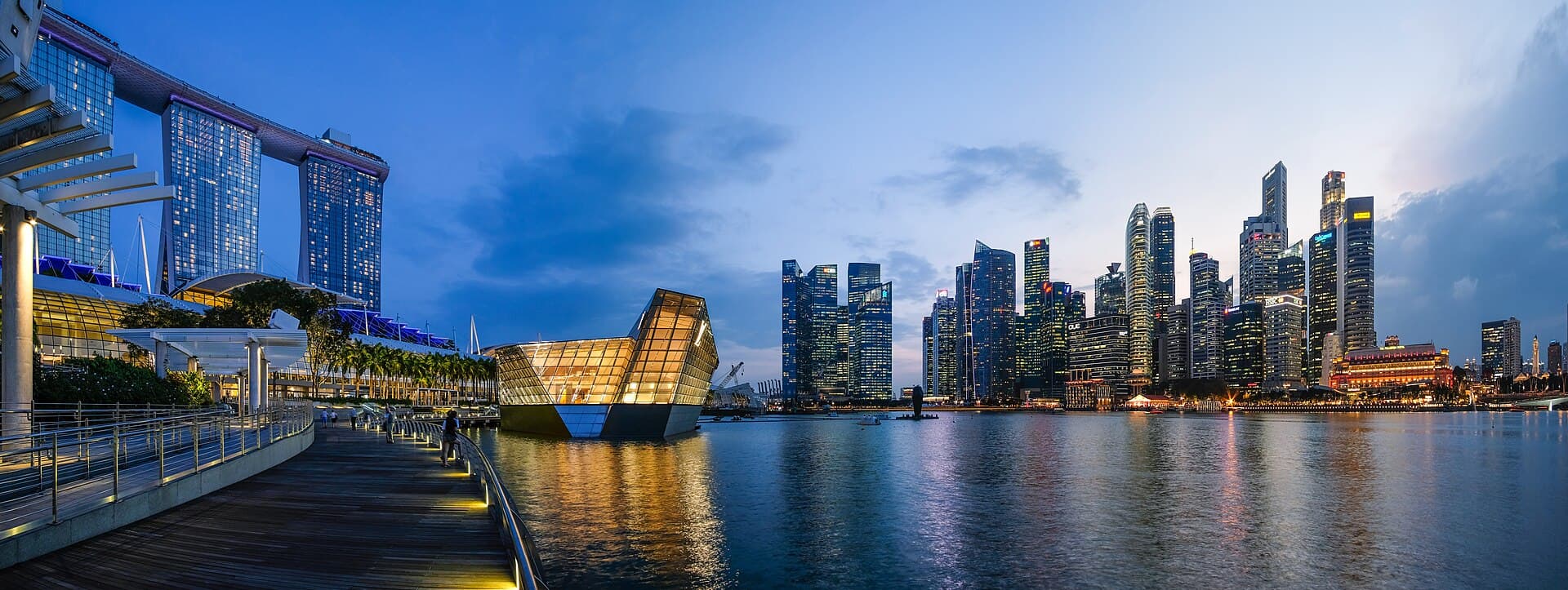
National Day is a planning problem disguised as a parade. If you are going to the Padang or the bay for the show, you already have a ticket and a bag policy. If you are not, you still live with the road closures, the train load after the fireworks, and the fact that half the country has decided to picnic at the same reservoir in the afternoon. Wear white and red if you like. Do not drive toward the city at dusk unless you enjoy sitting.
The days around National Day feel festive in the estates — flags, school children, a stage at the CC — and ordinary in the kitchens. Hawkers mostly open. The crush is outdoors and on the MRT.
Good Friday closes the official island and fills the churches. Some Catholic and Protestant families treat it as a serious day; some businesses with those roots shut. It is often a Friday, which gives the weekend a long, slightly mournful shape. The parks still fill. It is a good day for a quiet museum and a bad day to assume a small bakery is staffed. Easter Sunday is not a public holiday. The Monday after Good Friday is, when the calendar says so — check the year, do not rely on memory.
Parks packed, hawkers uneven, malls as overflow
Every public holiday, the green bits of the island take the overflow from the offices. East Coast Park becomes a city. Gardens by the Bay's free lawns disappear under mats. Reservoir carparks fill by 8am. If you want a walk, go at first light or pick a strip of park connector that has no famous name. The unglamorous canal behind an estate is still a canal. It will not be on anyone's list.
Hawkers are a lottery. A large centre will usually have something; it may not be the something you came for. Mall food courts are the reliable overflow and they know it. Prices stay the same. Queues do not. A resident move is to eat at 10.30am or at 2.30pm, or to cook.
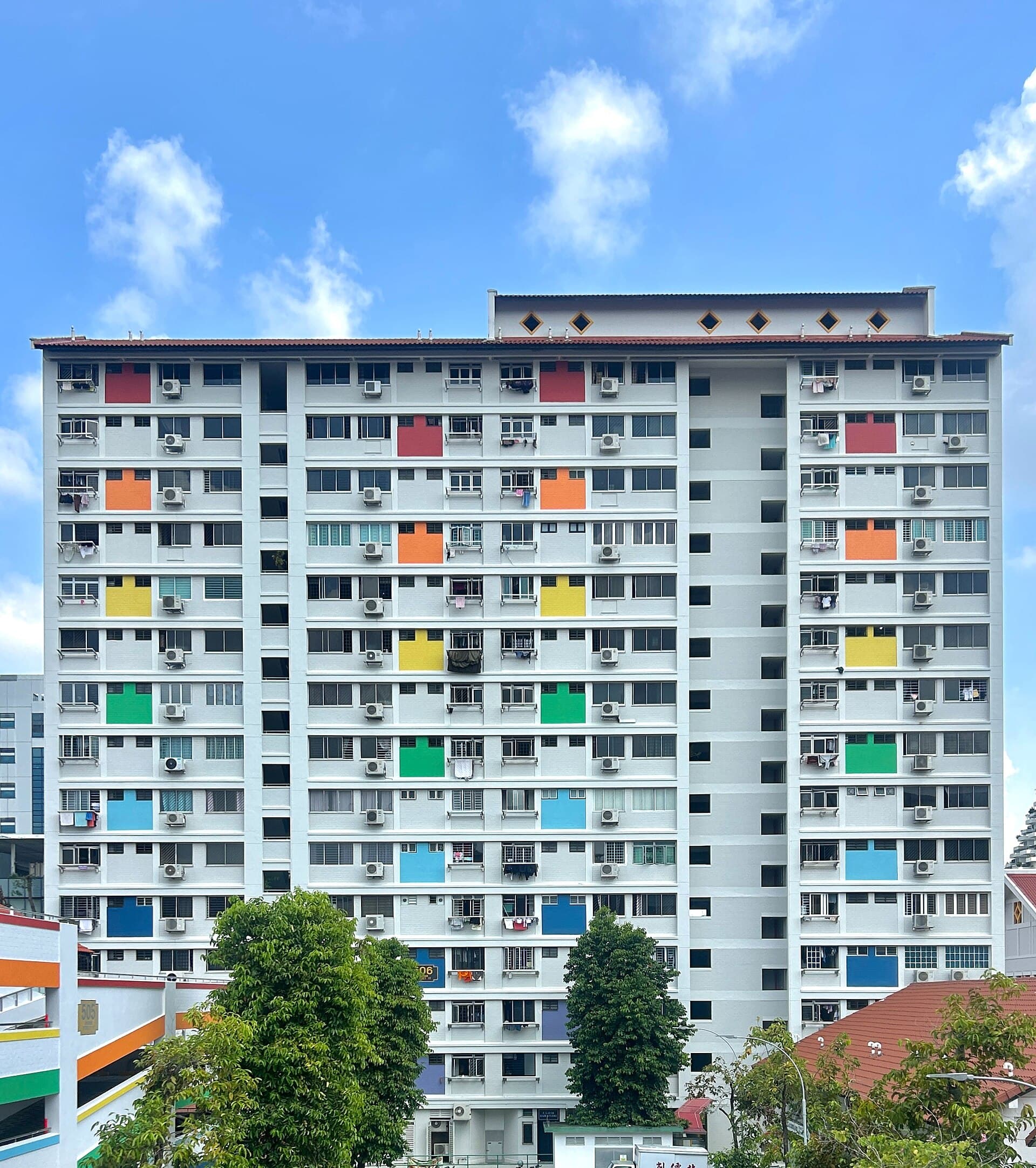
Trains run. Buses run. Grabs surge when the rain starts and when the fireworks end. If you can walk a holiday afternoon in your own town, that is the win. The HDB block in the photograph at the top of this page does not close. The void deck does not take a day off. A lot of a public holiday is simply staying in the estate and letting the rest of the country sit in traffic.
How to plan without treating every holiday as a long weekend
Read the calendar for whose day it is, then decide three things: food, outdoors, and whether you need to cross the island. Food is the one that fails first. Outdoors is the one that crowds first. Crossing the island is the one that costs you the afternoon in a packed carriage.
If you want atmosphere, go on the eve to the neighbourhood that owns the festival. If you want quiet, go on the morning of the day, or stay home and call it a holiday. If you want a park, share it with the country or get up earlier than the country. It is not the same on the second day of CNY as it is on National Day, and pretending otherwise is how you stand in front of a shutter saying you should have known.