Chicken rice is not a dish you discover. If you grew up here, you inherited a position: Hainanese white chicken with the skin still wobbly, or roast with the lacquered edges; rice packed so the grains shine, or rice that tastes only of oil. The argument is older than any one stall at Maxwell, and it will outlive the next renovation of Chinatown Complex.
A plate at a heartland coffee shop at 11.50am is a different social object from a plate eaten under a tour-group selfie stick at 1.15pm. This is a guide to noticing the difference, not a ranking. Rankings are how people who do not eat chicken rice twice a week talk about chicken rice.
The local argument, stated plainly
Hainanese chicken rice, in the Singapore sense, is poached bird, sliced, arranged over rice cooked in the poaching fat and stock, with a trio of sauces: chilli, dark soy, ginger. Roast chicken rice uses a different bird and a different gravy, and people who prefer it are not confused. They want the skin. They want the slightly sweet soy. They will tell you the white version is bland, which is a statement about chilli more than about chicken.
Then there is the rice. Regulars taste the rice first. If the grain is loose, fragrant, a little sticky without being wet, the stall is having a good day. If the rice is yellow with oil and tastes of nothing, the chicken can be perfect and the plate still fails. This is why "chicken rice" is a rice dish that happens to include chicken. Visitors photograph the meat. People who live here check whether the rice would work as a meal on its own.
Soy or no soy on the chicken is a household setting, not a moral one. Some stalls already dress the white chicken with a light soy-sesame mix. Some leave it naked so you dose it yourself. If you grew up with the dressed version, the naked one tastes unfinished. Say what you want at the counter. "White meat, more rice, chilli extra, no cucumber" is a complete sentence.
Taste the rice before you pick a side. The chicken is the headline; the rice is the stall.
Portions in 2026 are usually $4.50 to $6.50 for a standard plate, more if you add liver. Pay the board price. Do not ask for "the original" as if there is a secret menu.
Maxwell at lunch, Maxwell at two
Maxwell Food Centre is a short walk from Tanjong Pagar on the East-West Line, or from Chinatown if you come up from the North East or Downtown line and cut across Maxwell Road. Weekday 11.30am to 1pm is CBD lunch. The queues that form then are often for stalls that feed the same offices every week. Those lines move. People order without reading the menu. They want the plate they had on Thursday.
Saturday after 12pm is a different animal. The same stall can grow a queue that is half visitors who have been sent "to the famous one" and half locals who came anyway. Standing in that line is not proof of quality. It is proof of a photograph. If you already like the stall, go at 11am or after 2pm. If you do not know the stall, walk the hall first. Maxwell has more than one chicken rice counter. Some do roast, some do white, some do both and look bored about the distinction.
What you should notice, besides the rice: whether the chilli is fresh enough to smell before you taste it; whether the cucumber is an afterthought; whether the uncle asks "white or roast?" before you have finished pointing. A stall that still asks is a stall that still cooks both to order, or at least pretends to. A stall that slaps a plate down without a question has already decided what you are getting.
Drinks are the other half of the meal. You sit, you order kopi from the drinks station, you do not expect the chicken rice stall to bring you a cup. If the vocabulary is rusty, order breakfast the way your parents do and apply it here: kopi-o peng after a heavy plate is a respectable choice, not a tourist one.
Chinatown Complex is not Maxwell with more stairs
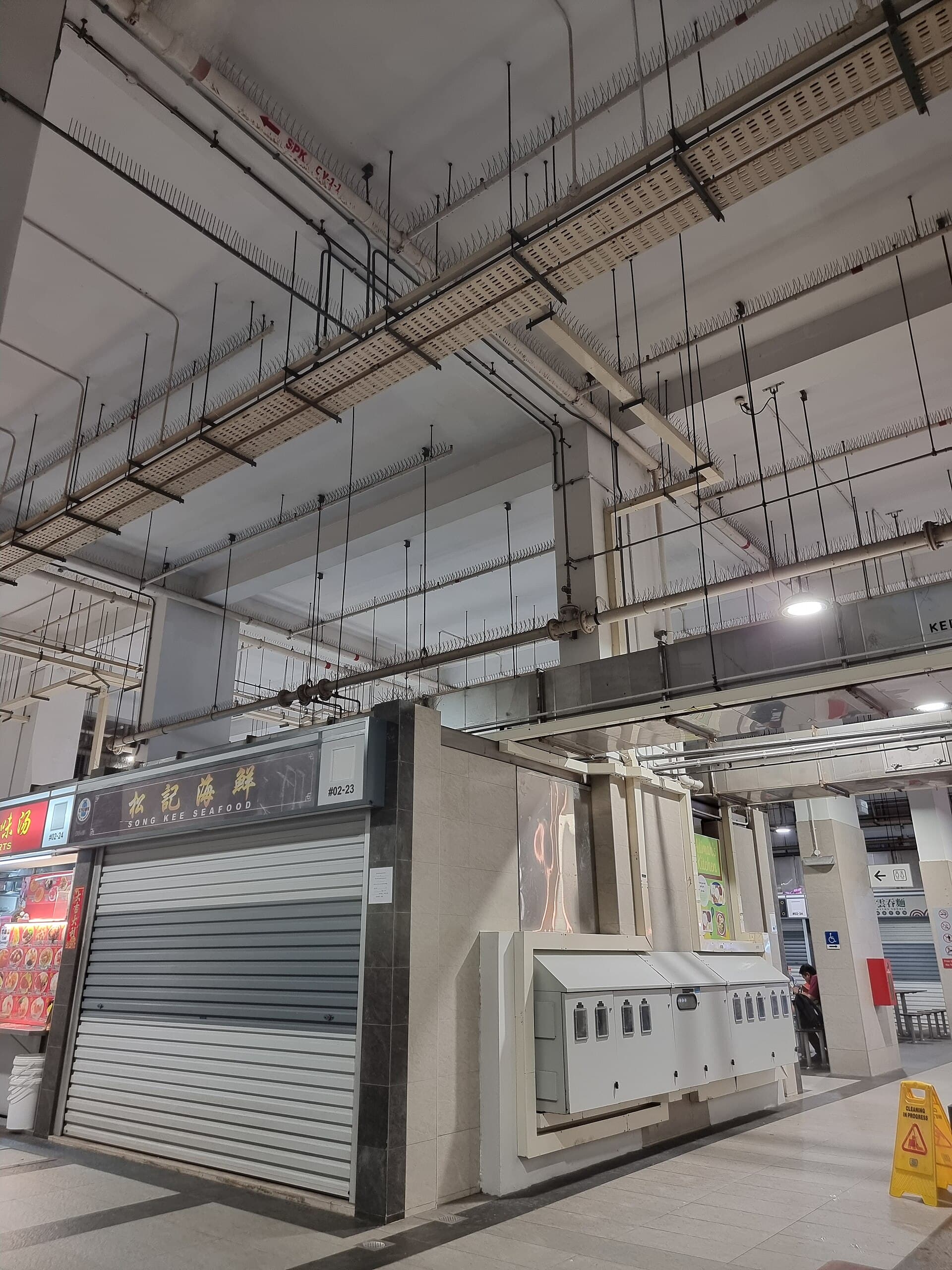
Chinatown Complex, above the Smith Street wet market, is louder, wetter and less interested in your itinerary. You come up from Chinatown MRT and you are in the market before you are in the food hall. That matters. The building is for people buying dinner ingredients and people eating lunch in the same hour. The chicken rice stalls upstairs compete with wanton mee, roasted meats and whatever the neighbouring row is doing with pig organ soup.
The argument people have about Chinatown Complex versus Maxwell is usually an argument about crowd composition. Maxwell sits on the tourist-CBD seam. Chinatown Complex sits on the market-resident seam, even as Pagoda Street leaks visitors upstairs. You can still eat a quiet plate here if you come on a weekday at 10.45am, when the market downstairs is in full swing and the cooked-food floor is only half awake. You cannot eat a quiet plate here on a public holiday afternoon and then complain about the room.
Estate stalls deserve to be in this argument. The chicken rice at a void-deck coffee shop in Tampines or a neighbourhood centre in Clementi is not a lesser genre. It is the version most Singaporeans actually eat on a Tuesday. The rice may be less consistent. The chilli may be better. The uncle may remember that you want breast meat. None of that shows up in a downtown queue. If you only eat chicken rice at Maxwell, you are sampling a special case.
How to order without performing
Stand where the queue starts, not where the photographs are good. When you reach the front, say white or roast, meat preference, rice extra or not, and whether you want the liver. Pay. Take the plate. Find a seat using the same hawker centre etiquette you would use for anything else: tissue if you must chope, share if the hall is full, return the tray.
Do not ask the stallholder who is better, them or the stall opposite. They will not give you a useful answer and you have made the meal about a contest. Do not ask whether this is "the original Maxwell stall". Original is a word that has been through too many renovations. Ask whether they still have rice. That question has a yes or no.
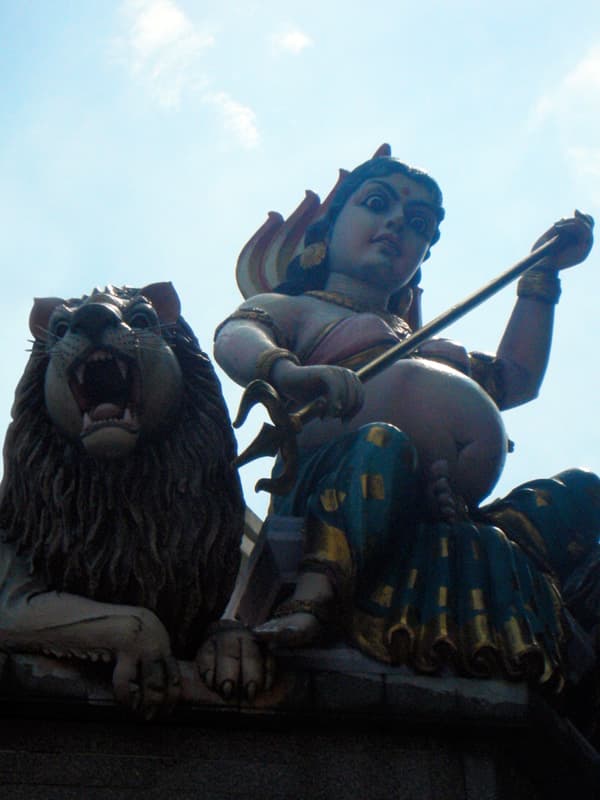
If you are walking the neighbourhood after, leave through the temple side and treat Chinatown as more than souvenir street. Sri Mariamman, the shophouses on Temple Street, the parts of the complex that are still a wet market after 3pm: that is the same afternoon as the plate, not a separate attraction. Chicken rice eaten and then immediately replaced with a Chinatown ice cream sandwich is a valid itinerary. Chicken rice eaten as a tick on a list is how the rice gets cold while you look for a better angle.
What the plate tells you that a review cannot
A good day at a stall is visible. The rice cooker is turning over. The chilli bowl is being refilled, not scraped. The chicken is being chopped to order rather than waiting in a sad, complete state under the lamp. A bad day is also visible: the rice is dry at 1.40pm, the chilli has separated, the uncle is already washing the chopping board.
You will not get that information from a caption that says a stall is legendary. You get it from standing there for ninety seconds before you join the line. If you are deciding between Maxwell and Chinatown Complex this week, pick the one you can reach before the rice runs low, not the one with the more famous argument. Then eat it the way you would at the estate stall: rice first, chilli second, opinions later.
The argument will still be there next year. Your job is to have a plate you would order again on a wet Wednesday, when nobody is watching.